
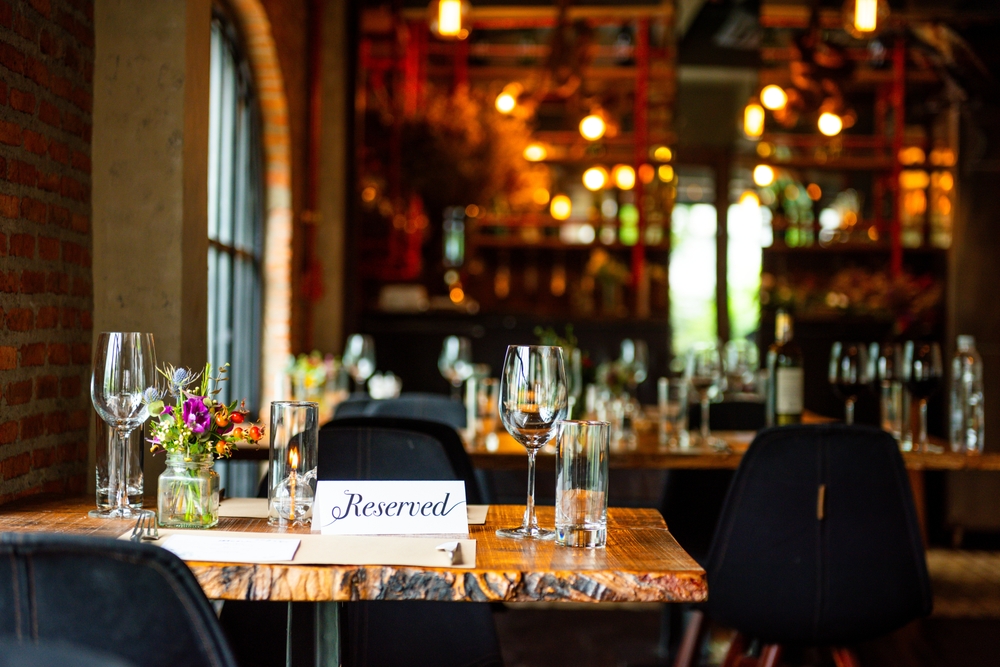
Small rules of thumb that help you eat better: the trick to scoring a “good table,” how to order like a foodie, and how to keep the bill within reason
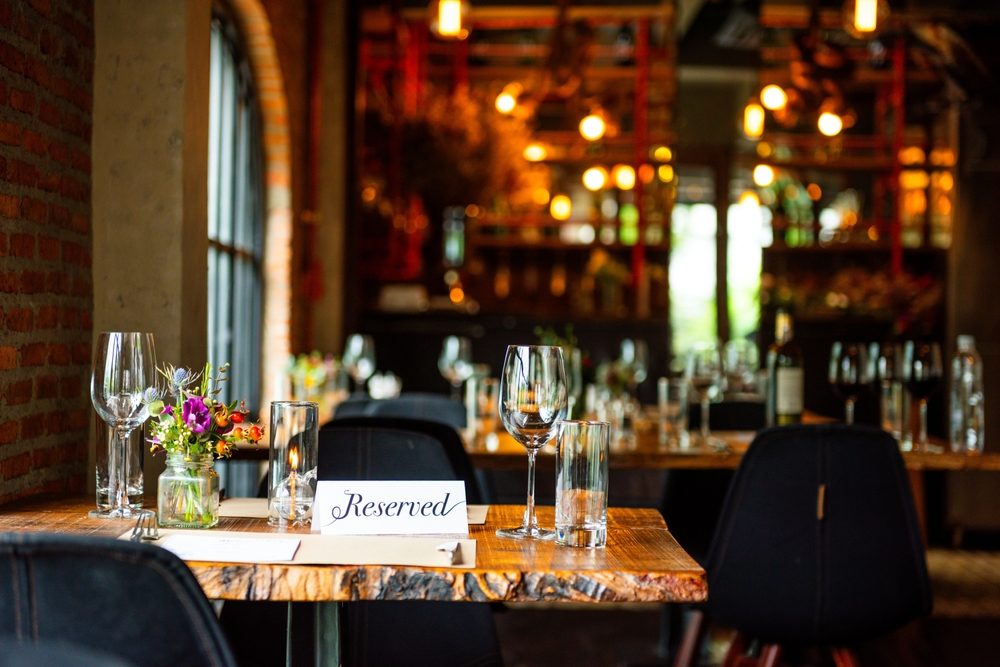
A great dinner isn’t always luck — it’s often timing and a few smart moves. Instead of the “let’s go somewhere and see” approach, you can do a couple of things that completely change the experience: without being demanding, without drama, and without feeling like you need to “know food.” Because the truth is simple: the best tables don’t only go to people with connections. They often go to the people who understand how a restaurant works — from the kitchen flow to the host stand — and who act in a way that helps rather than pressures.
This practical Voyadelle guide is a quick insider list of tips that actually make a difference: when to book, how to ask for a table the right way, what to ask so you can read a menu in 30 seconds, and how to order so the meal feels balanced, delicious, and not overloaded. Small things — but, as with everything, the best dinners live in the details.
The best table doesn’t always go to the people with connections. It often goes to the people who know how to book smart
Before you go: 3 moves that change the game
- Book a “smart” time: early (right when they open) or later — and ideally on weekdays. Less pressure on the kitchen usually means a more relaxed pace, better service, and a better shot at a great table.
- Spend 30 seconds with the menu online: go in with 2–3 dishes in mind so you’re not starting from zero.
- Flag allergies and preferences early (not when they’re taking your order). Fine-dining etiquette is clear on this: say it up front, and say it clearly.
How to get a “good table” without the drama
- Be on time. Hosts will tell you: a late party throws off the entire flow.
- Don’t pressure the host stand. Repeated “When are we sitting?” rarely helps — usually the opposite.
- Ask specifically, not vaguely. Instead of “a good table,” try:
- “If possible, somewhere quieter — away from the door or the pass.”
- “If you have the option, a booth or a corner would be amazing.”
- “We’re happy to wait an extra 10–15 minutes if that helps.”
The strongest currency is flexibility.
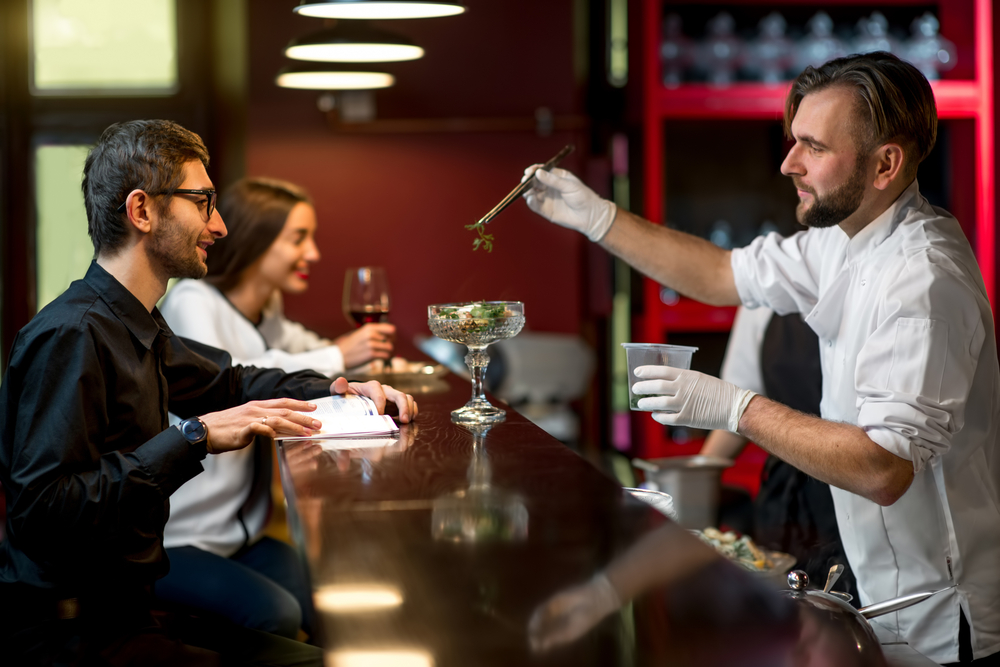
- A bar seat is the smart, slightly unconventional move (and a foodie favorite): you often sit sooner, you see the restaurant’s rhythm up close, and you can chat with the bartender or server — which can genuinely improve what ends up on your table.
How to read a menu like you’ve got inside info
- Find the signatures. Ask directly: “What is this place known for?” or “What does everyone order?”
- Ask what the team is excited about right now. That’s often where the freshest, most dialed-in dishes are.
- Think in balance: one rich dish + one bright/acidic dish + one green/vegetable dish usually makes for a better meal than “all meat” or “all carbs.”
Eating well out isn’t secret knowledge, it’s a few small habits most people simply don’t use
How to order well (especially when you’re sharing)
- Make your server your ally: “How many dishes would you recommend for two?” Then order one less than they suggest — a classic tip so the table doesn’t feel overloaded.
- Give direction early: “We love raw dishes,” “We want something spicy,” “We’d like one signature plate.” The sooner you guide them, the better they can guide you.
- Ask if anything is missing: “Do we need something acidic, something crunchy, or something refreshing?” It’s one of the most useful questions you can ask.
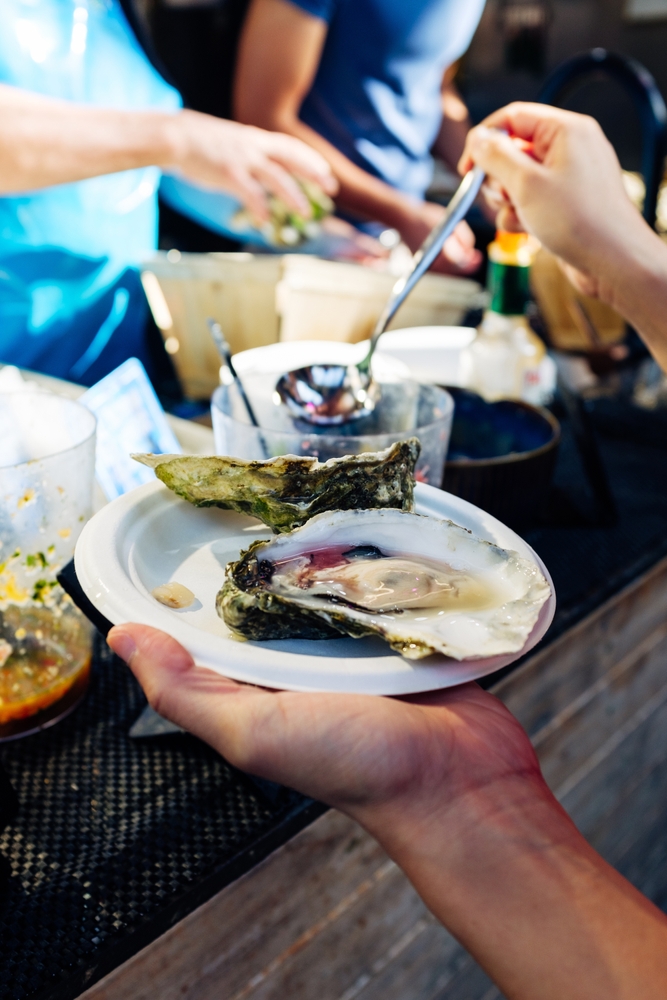
The bill, please!
How to estimate your bill in 10 seconds
Check the menu quickly and take rough averages. A simple shortcut: add the price of two mains.
Example: €16 + €22 = €38 — a solid per-person estimate that typically covers food plus a reasonable amount of alcohol (depending on what you’re drinking).
In short (because repetition works)
- Go off-peak, sit at the bar, and ask the staff what they would order.
- Be kind and punctual: good manners and showing up on time improve the guest–restaurant relationship more than you think.
- Aim for balance in what you order.

