From Nestani to the fir forests of Ostrakina, with a basket, a small knife, and a healthy dose of humility toward the woods
Some day trips begin with a plan and end with stories. On Mainalo, the escape becomes an experience: a narrow road threaded through fir trees, fog that rolls in without warning, a few scattered traces of snow, and light that keeps changing its mind. And when you finally leave the car behind and step into the forest, mushroom hunting feels less like “collecting” and more like a lesson in attention.
Our one-day outing had a clear aim: a mushroom foray. Not in the sense of “harvesting,” but in the joy of discovering what the mountain quietly offers. As the expert accompanying us reminded us early on, nine out of ten species you encounter in the forest are not edible. That one sentence sets the tone for everything that follows: respect, observation, knowledge.
The drive: easing into the mountain mood
We headed toward Tripoli, stopped at Spathovouni for coffee and essentials, and just before reaching Tripoli we took the road toward Vytina. Passing Kapsia—home to its impressive cave—we turned left toward Kardaras.
Kardarás village may not have the instant fame of Vytina, Dimitsana, or Stemnitsa, but it has something I appreciated right away: a quiet, authentic mountain energy. Built at 1,030 metres on the eastern slopes of Mainalo, it is a traditional stone village and one of the region’s most elevated settlements—beautiful, understated, and with a few lovely accommodation options. Naturally, it went straight onto my list for a future overnight escape.
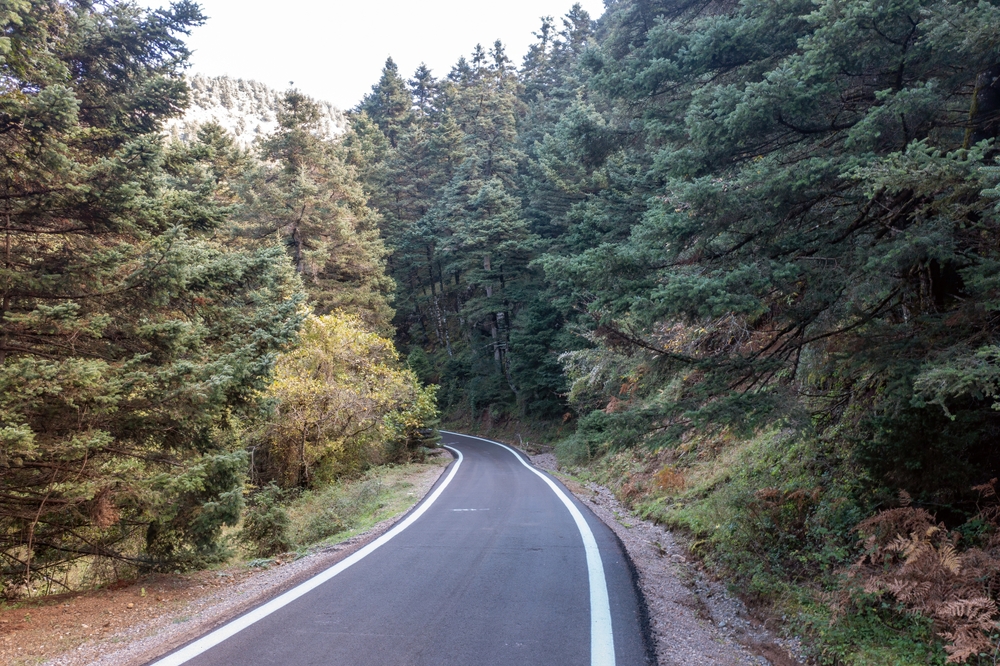
From there, a narrow uphill road leads toward the ski area. Fir trees appear to line the route like attentive guardians. As you climb, the fog thickens, the light shifts, and the mountain starts to feel like a stage that hasn’t decided which version of itself to reveal: crisp winter sun or soft, rain-laced mystery.
We passed the Mainalo Ski Centre in Ostrakina, one of Greece’s historic ski spots. At this time of year—late November—the slopes were distinct, but only a faint dusting of snow was visible high up on the mountain.
The forest and the quiet craft of foraging
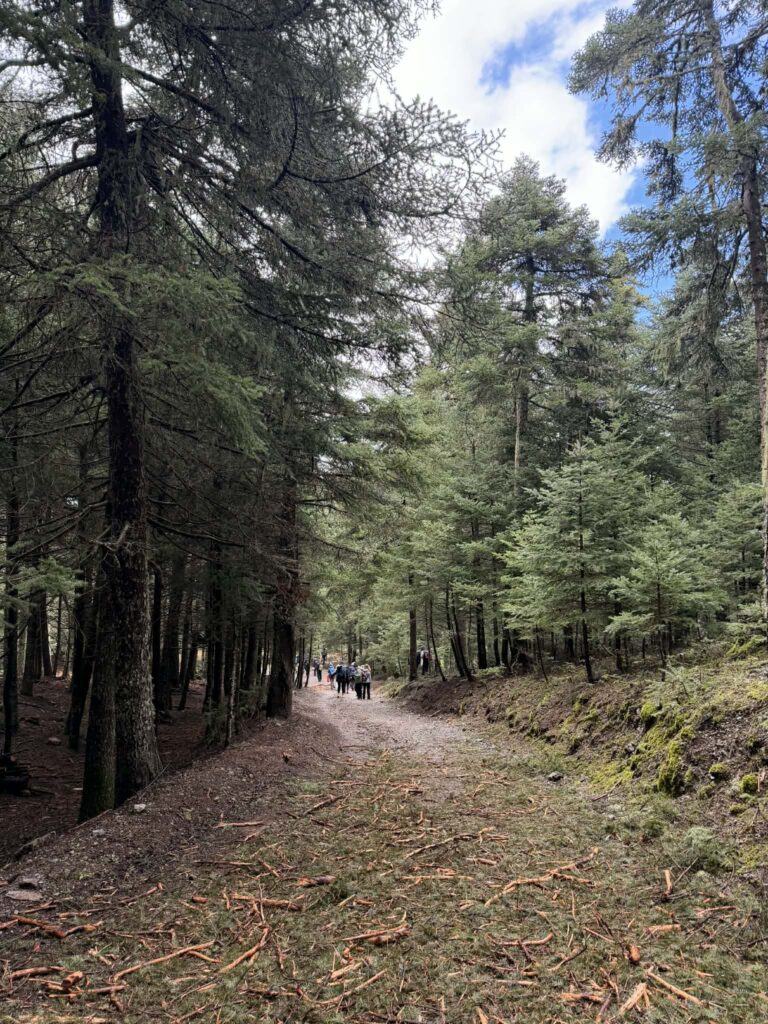
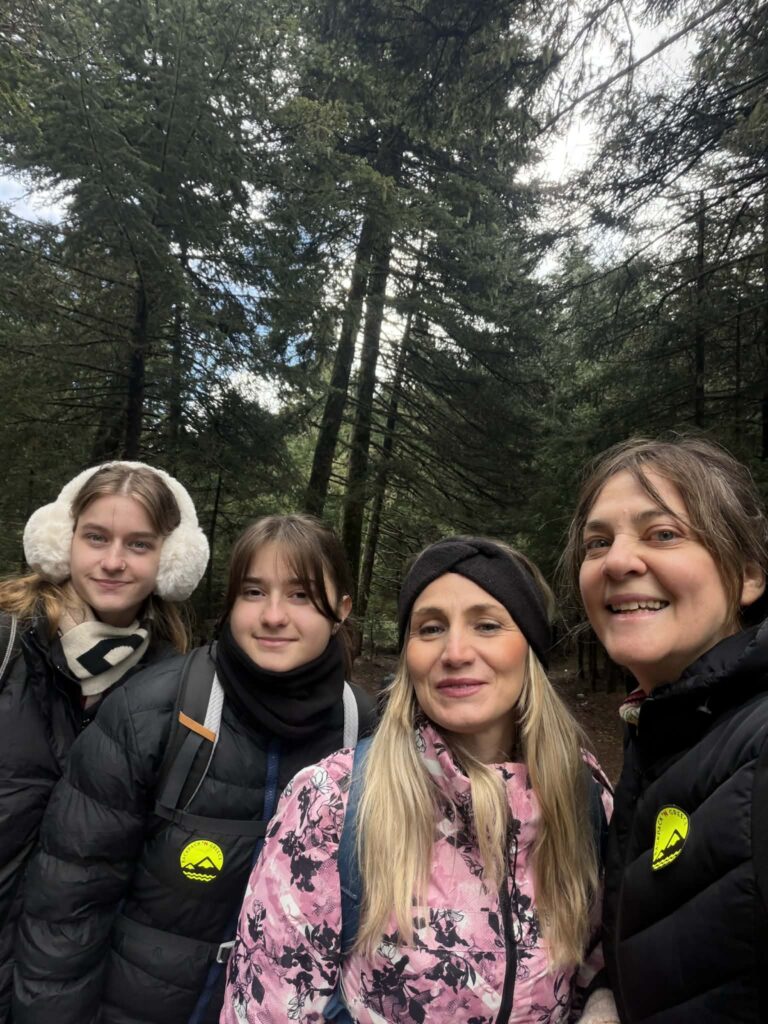
The moment we left the car and entered the woods, the day changed pace. We moved from asphalt speed to forest patience. Mushroom hunting teaches you to look down—yet, paradoxically, it helps you see the whole landscape more clearly.
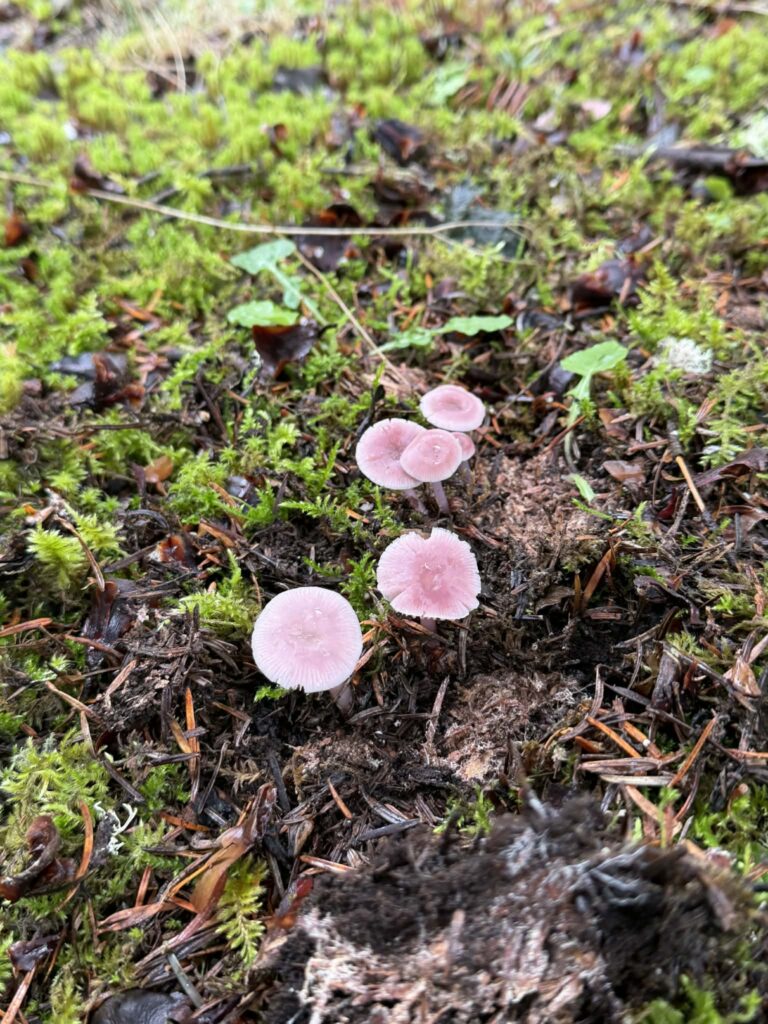
Mushroom foray gives you a reason to enter the forest more carefully than you normally would
Nine out of ten species you encounter in the forest are not edible.
Ogawa Kazumasa
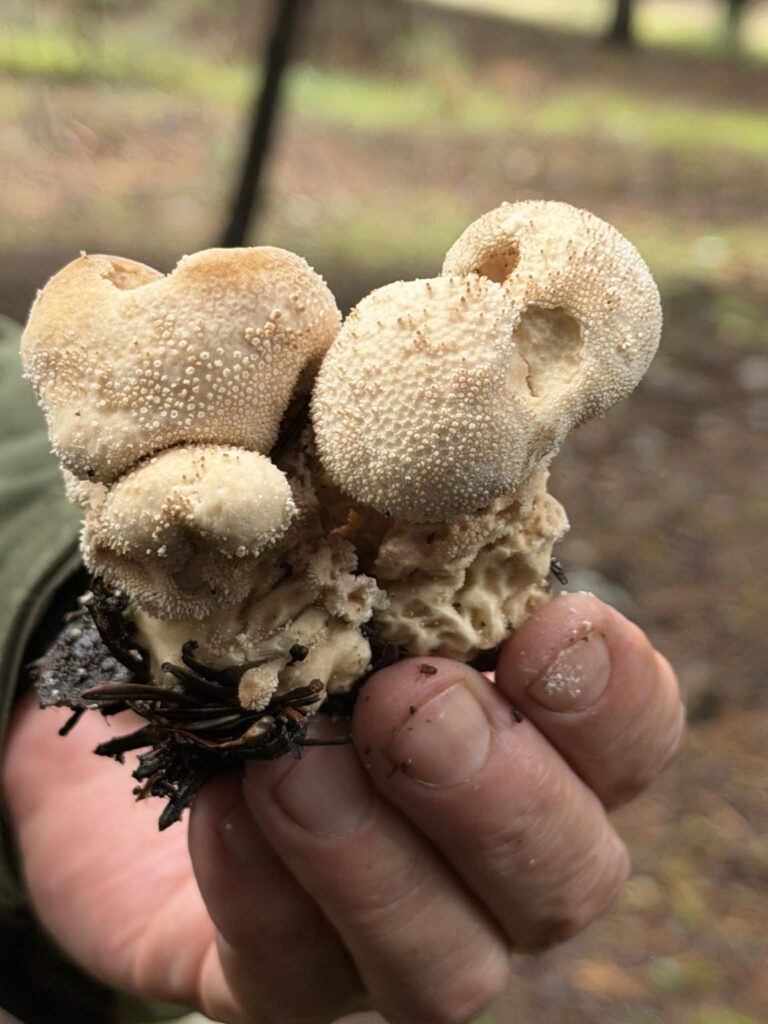
Maybe that’s the real beauty of a mushroom foray: it gives you a reason to enter the forest more carefully than you normally would. To listen. To notice. To slow down.
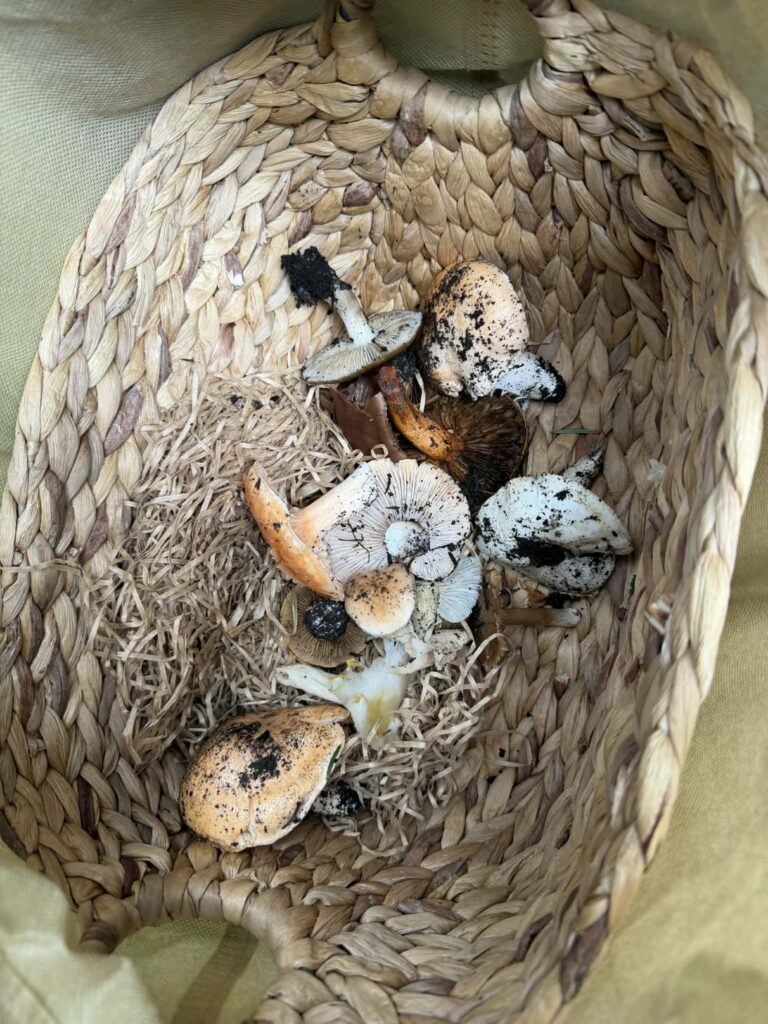
We carried baskets, not plastic bags. This isn’t a quaint detail; it’s a core rule. A basket (or mesh bag) protects the mushrooms and allows spores to fall back to the ground, supporting the forest’s natural cycle.
We also had a small knife for clean cuts, and we never gathered large quantities of the same species from one spot. Not just to avoid “emptying” an area, but to remember that the forest is a living system—not a pantry.
One detail stayed with me: if you cut a mushroom and then decide not to take it, place it gills-down on the ground, so it can release spores and continue its quiet work.
White Irises
Ogawa Kazumasa
Cherry Blossom
Ogawa Kazumasa
What we spotted (and what we kept as knowledge)
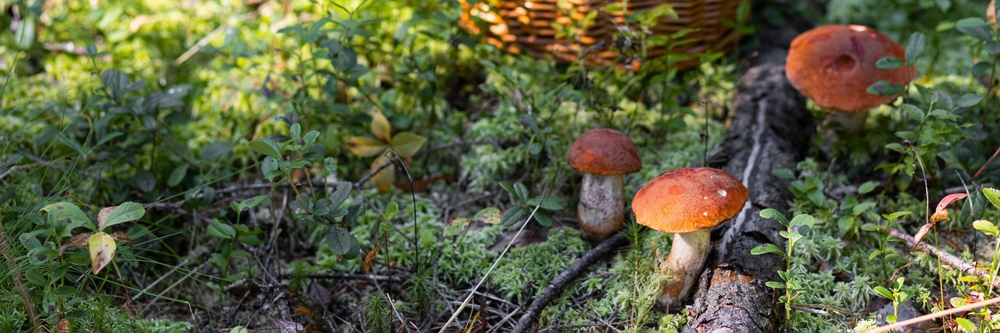
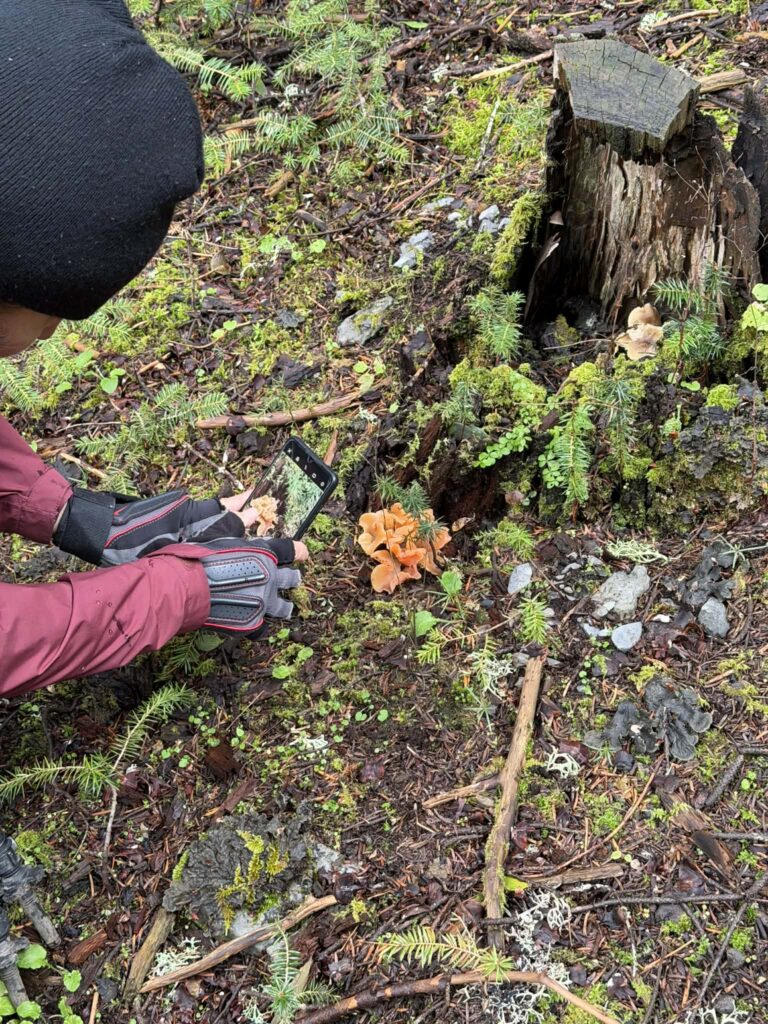
Near a decaying fir trunk, you may find species that resemble oyster mushrooms—a gentle reminder that when wood “ends,” it becomes shelter for something new.
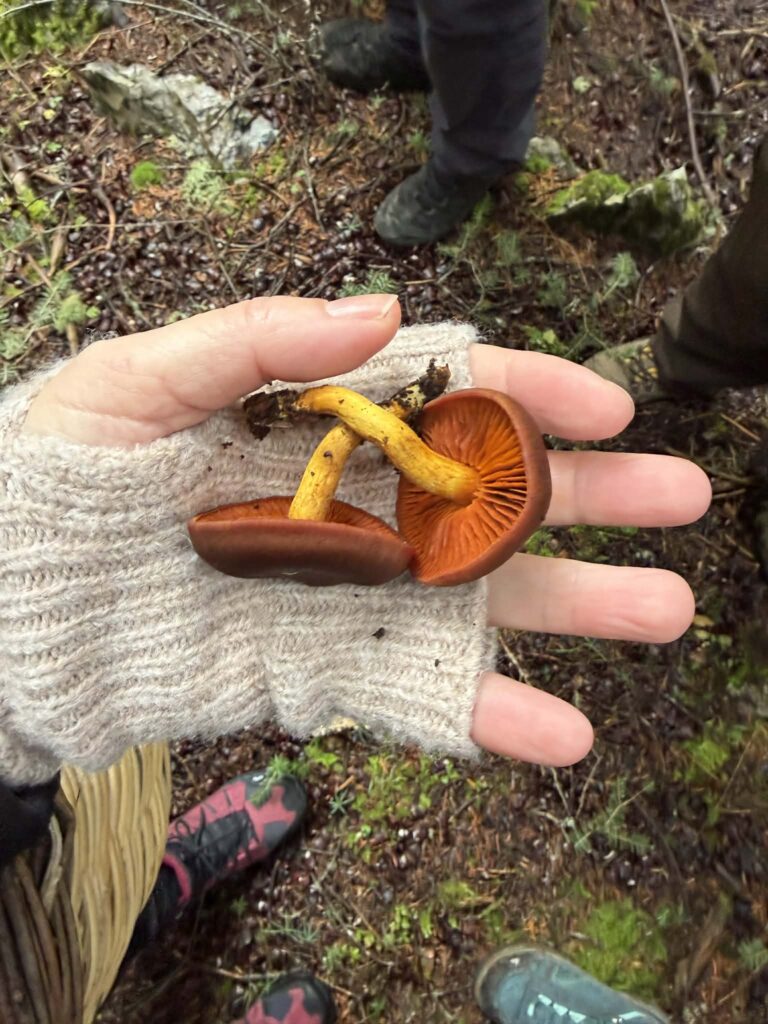
On our walk we came across several species—Cortinarius, Stereum, Lycoperdon, Hydrophorus, and more. Some impressed with colour, others with texture or shape, and a few looked almost otherworldly under the damp forest light.
And here’s the most important note to underline in any mushroom story:
there are toxic and even deadly mushrooms. A foray is wonderful, but consumption should happen only with expert confirmation. A photo isn’t enough. Memory isn’t enough. And even the most confident “family certainty” isn’t enough.
A brief ode to fog
If I had to keep a handful of images from this day, they would be these:
- the road curving between fir trees,
- fog appearing as though the forest were drawing a secret curtain,
- thin white edges of snow along the way,
- and that moment when the sun broke through unexpectedly—just long enough to remind us that Mainalo is never one-note.
White Irises
Ogawa Kazumasa
Cherry Blossom
Ogawa Kazumasa
The perfect ending: lunch back in Nestani
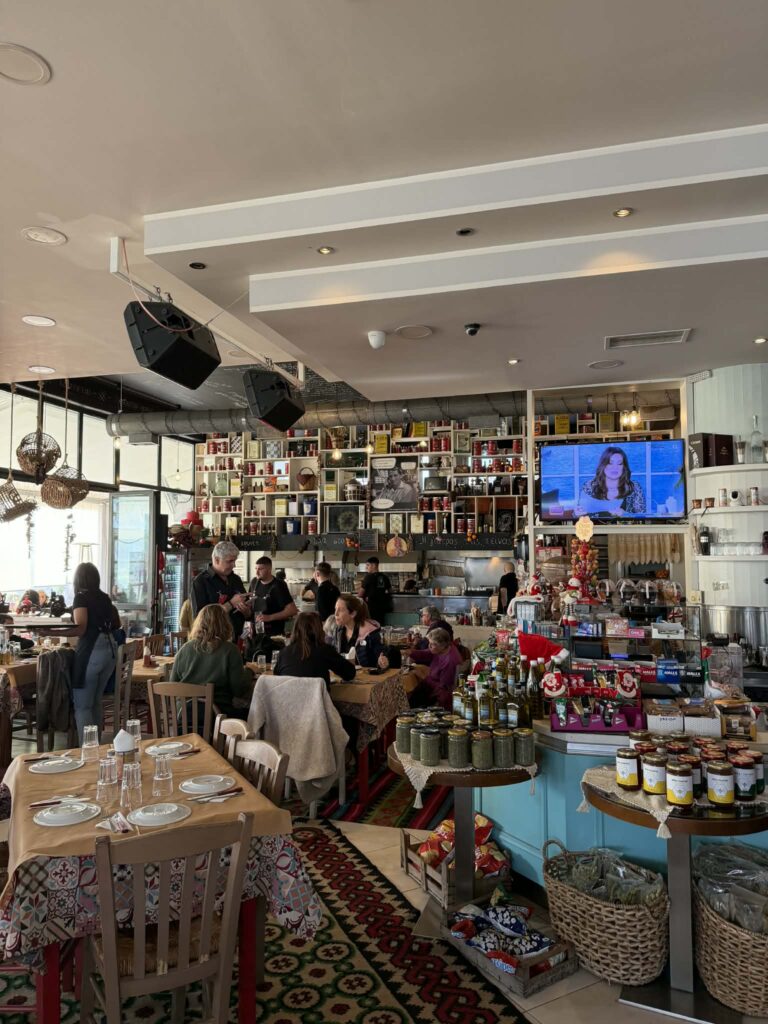
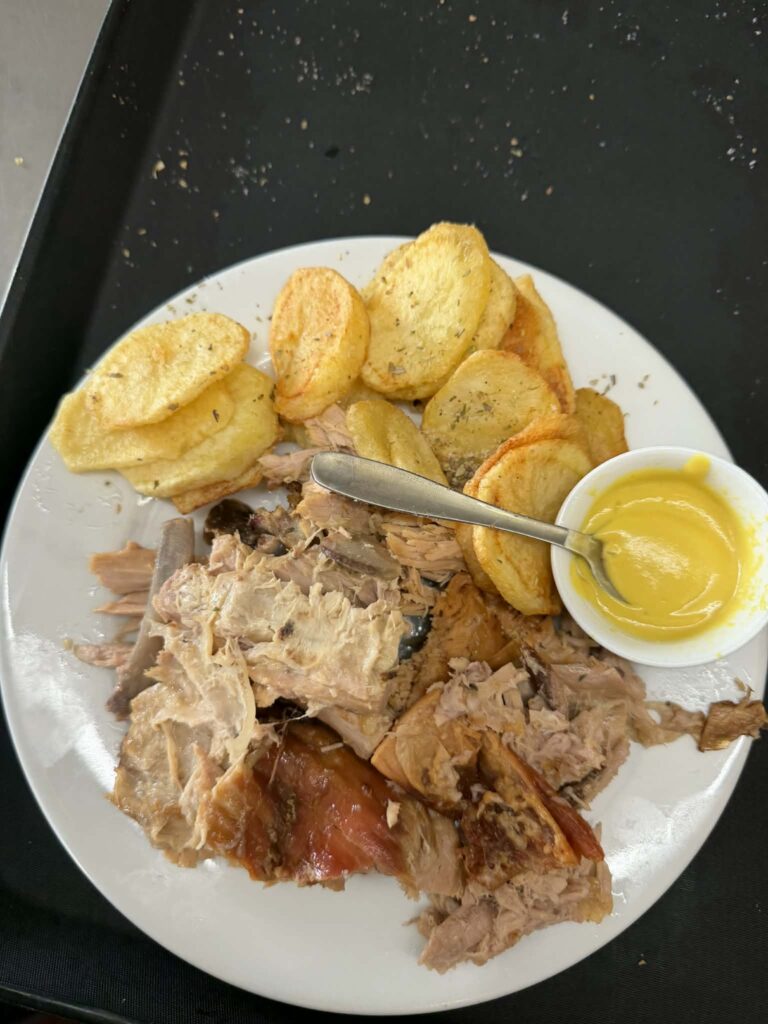
On the way back, we ate at Bakalogatos Tavern near Nestani—flavourful meats, a warm atmosphere, and exactly the kind of stop that fits a winter day in Arcadia. The sort of meal that doesn’t just complete the trip; it crowns it.
And just like that, you return to the city not only with a few mushrooms in your basket, but with the rare feeling that the mountain let you share its rhythm—if only for a day.
Practical notes
What to bring
- A basket or mesh bag.
- A small knife for clean cutting.
- Gloves and a small brush for dirt.
- Waterproof footwear—Mainalo has its own damp, mushroom-friendly weather.
- Warm layers; conditions change quickly here.
Basic rules of responsible foraging
- Don’t take everything.
- Don’t clear a whole patch of one species.
- Avoid plastic bags.
- Never eat anything without expert confirmation.
White Irises
Cherry Blossom
Ogawa Kazumasa
If you want to stay longer
Mainalo is beautifully framed by some of Greece’s best-loved mountain villages. Vytina, Dimitsana, and Stemnitsa are ideal bases for a two- or three-day escape, with plenty of guesthouses, taverns, and cosy cafés. The area is also linked to the Menalon Trail, one of Greece’s most celebrated hiking routes, connecting key villages across the wider region.
Where to stay
Look for:
- traditional guesthouses in Vytina for a classic winter feel,
- stone-built stays in Dimitsana and Stemnitsa with views made for slow mornings,
- or quieter options in Kardarás for a more atmospheric, almost cinematic retreat.
Where to eat
Beyond Nestani, leave room for hearty mountain cooking across Mainalo’s villages—slow-cooked meats and comforting stews that pair perfectly with tsipouro and low temperatures, plus small dessert stops for spoon sweets and seasonal treats in village squares.